
How Water Can Turn a Small Foundation Crack Into a Major Structural Problem
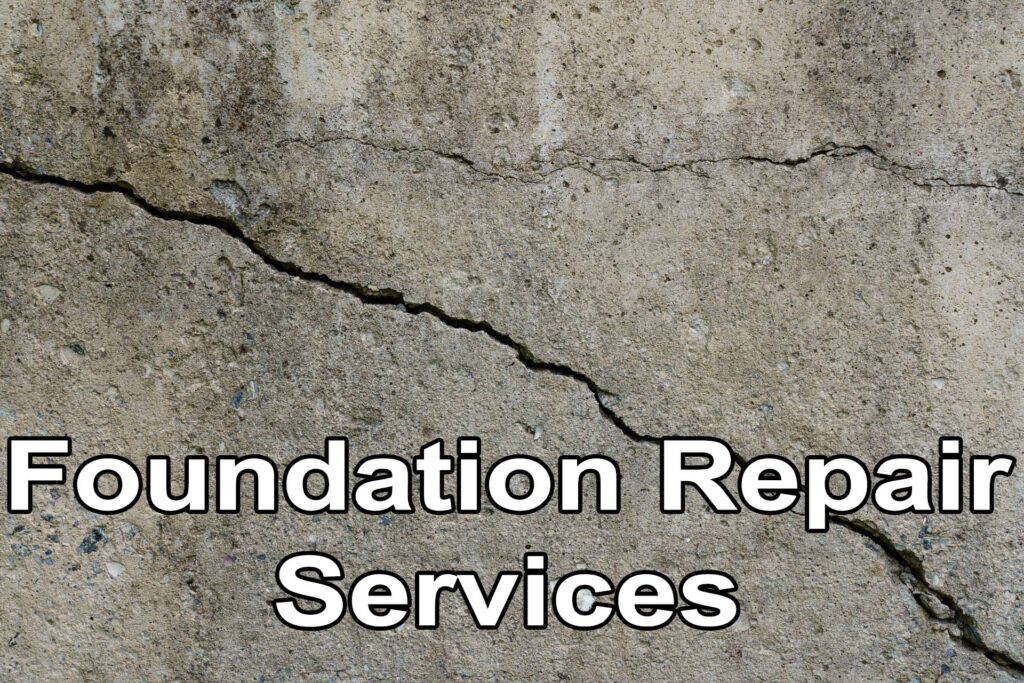 A hairline crack in your foundation wall might not seem worth worrying about, especially if it is dry and has been there for a while. But introduce water into the equation, and that small crack can begin a chain reaction that leads to serious structural damage. At Basements Love Us, we regularly meet with homeowners in New Jersey, Eastern Pennsylvania, and Delaware who wish they had addressed a small crack sooner, before water turned it into something much bigger.
Why Foundation Cracks Happen in the First Place
Concrete naturally develops small cracks over time as it cures, settles, and reacts to temperature changes. In many cases, these hairline cracks are cosmetic and stable. The trouble begins when water finds its way into that crack and does not stop.
How Water Expands the Problem
Freeze and Thaw Cycles
In our region, winters bring repeated freezing and thawing. When water seeps into a crack and then freezes, it expands, physically widening the crack. Each cycle of freezing and thawing pushes the crack a little further, weakening the surrounding concrete.
Erosion of Surrounding Material
Water moving through a crack slowly washes away small particles of concrete and the soil behind the wall. Over months and years, this erosion can create voids behind the foundation, removing the support the wall relies on.
Rust and Corrosion of Reinforcement
Many foundation walls contain steel rebar for added strength. When water reaches this rebar through a crack, it can cause rust, which expands and puts additional pressure on the surrounding concrete from the inside, leading to further cracking.
Increased Hydrostatic Pressure
Water that collects in the soil around your foundation creates hydrostatic pressure, a constant force pushing against the wall. A crack gives that pressurized water a direct path into your basement, and the flow often increases the size of the opening over time.
From a Small Leak to a Structural Emergency
Once water is consistently entering through a crack, the wall is more vulnerable to bowing, shifting, and crumbling. What started as a narrow line in the concrete can eventually become a wide gap, a bulging section of wall, or a section of crumbling masonry that requires significant structural repair.
Signs a Foundation Crack Is Getting Worse
- The crack has visibly widened compared to when you first noticed it
- Water is actively leaking or seeping through during rain
- White chalky mineral deposits are forming around the crack
- The wall near the crack feels soft, damp, or crumbly to the touch
- You notice a musty smell developing in that area of the basement
Why DIY Crack Fillers Often Fall Short
It is tempting to grab a tube of hydraulic cement or masonry sealant and fill the crack yourself over a weekend. While this can offer a temporary cosmetic fix, it rarely addresses the pressure or moisture source causing the crack in the first place. Water is persistent, and it will often find a new path around a surface patch, sometimes reappearing through a different section of the same wall. A lasting repair usually needs to account for the water outside the wall, not just the opening it left behind.
Stop Small Cracks From Becoming Big Problems
Basements Love Us specializes in basement and crawl space issues, making sure your home stays safe through Waterproofing Services, Foundation and Structural Repairs, Mold Services, Water Damage Restoration, Basement Masonry, Exterior Drainage, and Bilco Door and Egress Window Installation and Replacement. Our technicians can determine whether a crack is stable or actively getting worse, and recommend the right repair before water does more damage.
We are licensed, insured, and every job comes with a warranty. With multiple offices throughout New Jersey, Eastern Pennsylvania, and Delaware, we offer free estimates so you can get answers without any obligation. Contact Us Today and let us help you stop a small crack from becoming a major structural issue.
 We offer financing! 0% Interest, up to 60 months!