We offer financing! 0% Interest, up to 60 months!

Author Archive

When Do You Need Foundation Wall Replacement Instead of Repair?

29th, April | Uncategorized

When Do You Need Foundation Wall Replacement Instead of Repair?

Is Your Foundation Beyond Repair or Can It Still Be Fixed?

If you are dealing with foundation issues, one of the biggest questions homeowners ask is whether a repair will solve the problem or if a full wall replacement is necessary. This is an important distinction because the right decision can save you money, protect your home, and prevent future damage.

Not every foundation issue requires replacement, but there are situations where repairs alone are not enough. Understanding the difference can help you make a confident and informed decision.

At Basements Love Us, we specialize in Basement and Crawl Space issues, making sure that your home is safe through Waterproofing Services, Foundation and Structural Repairs, Mold Services, Water Damage Restoration, Basement Masonry, Exterior Drainage, and Bilco Door and Egress Window Installation and Replacement.

What Can Be Fixed With Foundation Repairs?

Minor to Moderate Structural Issues

Many foundation problems can be addressed with repair solutions, especially when they are caught early.

These include:

  • Small to moderate cracks
  • Minor bowing or shifting walls
  • Water seepage through isolated areas
  • Early signs of deterioration

In these cases, reinforcement systems, crack sealing, and waterproofing can stabilize the structure and prevent further damage.

Reinforcement Instead of Replacement

Modern repair techniques allow us to strengthen existing walls without tearing them out.

Solutions may include:

  • Wall anchors to stabilize and straighten walls
  • Steel braces for added support
  • Carbon fiber straps to prevent further movement

These methods are often effective when the wall is still structurally sound.

When Is Foundation Wall Replacement Necessary?

Severely Bowed or Collapsing Walls

If a wall is significantly bowed or leaning, it may no longer be structurally safe.

When the damage reaches a certain point, reinforcement systems may not be enough to restore stability.

Extensive Cracking and Crumbling

If your foundation walls are heavily cracked, crumbling, or deteriorating, replacement may be the best option.

This is especially true if the material itself has broken down and can no longer support the structure.

Long-Term Water Damage

Years of water intrusion can weaken your foundation to the point where repairs are no longer effective.

In these cases, replacing the damaged section ensures that the problem is fully resolved.

How Professionals Determine the Right Solution

A Detailed Inspection Is Key

The decision between repair and replacement is based on a thorough evaluation of your foundation.

Factors that are considered include:

  • The severity and type of damage
  • The cause of the problem
  • The condition of the surrounding structure
  • The potential for future movement

At Basements Love Us, we take the time to assess your situation carefully and recommend the most effective solution.

Why Choosing the Right Approach Matters

Avoid Overpaying for Unnecessary Work

Not every problem requires a full replacement. In many cases, repairs can solve the issue at a lower cost.

Prevent Recurring Problems

On the other hand, choosing a repair when replacement is needed can lead to ongoing issues and additional expenses.

The goal is to fix the problem correctly the first time.

What Happens During Foundation Wall Replacement?

A Stronger, More Reliable Structure

Wall replacement involves removing the damaged section of the foundation and rebuilding it with new materials.

This process restores the structural integrity of your home and provides long-term stability.

Addressing the Root Cause

Replacement is often combined with waterproofing and drainage improvements to ensure the problem does not return.

This may include exterior drainage systems, interior waterproofing, and foundation sealing.

Why Homeowners Trust Basements Love Us

Honest Recommendations and Quality Work

We are licensed, insured, and we give a warranty on every job, giving you confidence in the work being done.

With multiple offices throughout New Jersey, Eastern Pennsylvania, and Delaware, we are able to provide dependable service when you need it.

Our goal is to provide honest recommendations, whether that means a simple repair or a full replacement.

Not Sure Which Option Is Right for You?

Schedule Your Free Foundation Inspection Today

If you are dealing with foundation issues, the best first step is to have a professional evaluate the situation.

We offer free estimates and will clearly explain your options so you can make the best decision for your home.

Contact Basements Love Us today to schedule your time and ensure your foundation is safe, stable, and built to last.
Why Is There White Powder on Your Basement Walls and What Does It Mean?

26th, April | Uncategorized

Why Is There White Powder on Your Basement Walls and What Does It Mean?

Have You Noticed a Chalky White Substance on Your Walls?

If you have seen a white, powdery residue on your basement walls, you might be wondering what it is and whether you should be concerned. This substance is called efflorescence, and while it may look harmless, it is actually a warning sign that moisture is present in your foundation.

Efflorescence is not just a cosmetic issue. It tells you that water is moving through your walls, and that can lead to bigger problems if it is not addressed.

At Basements Love Us, we specialize in Basement and Crawl Space issues, making sure that your home is safe through Waterproofing Services, Foundation and Structural Repairs, Mold Services, Water Damage Restoration, Basement Masonry, Exterior Drainage, and Bilco Door and Egress Window Installation and Replacement.

What Is Efflorescence and Why Does It Appear?

Understanding the White Powder on Your Walls

Efflorescence forms when water passes through concrete or masonry surfaces. As the water moves, it carries dissolved salts from within the material.

When the water reaches the surface and evaporates, it leaves behind those salts, creating the white, chalky residue you see.

Why It Keeps Coming Back

Even if you clean the residue off, it will continue to return as long as moisture is still moving through your walls.

That is why it is important to focus on the source of the problem, not just the surface appearance.

What Causes Efflorescence in Basements?

Water Intrusion Through Foundation Walls

One of the most common causes is water seeping through small cracks or porous areas in your foundation.

This can happen due to heavy rain, poor drainage, or hydrostatic pressure.

High Humidity Levels

Excess humidity in your basement can also contribute to moisture buildup, which leads to efflorescence over time.

Poor Exterior Drainage

If water is not being directed away from your home properly, it will collect near your foundation and increase the chances of moisture entering your basement.

Is Efflorescence Dangerous?

Not Toxic, But Still a Problem

Efflorescence itself is not harmful or toxic. However, it is a clear indicator that water is present where it should not be.

Ignoring it can lead to more serious issues, including mold growth, water damage, and structural deterioration.

A Warning Sign You Should Take Seriously

Think of efflorescence as an early warning system. It is telling you that your basement is experiencing moisture problems that need to be addressed before they worsen.

How to Get Rid of Efflorescence

Cleaning the Surface

You can remove efflorescence using a brush and cleaning solution designed for masonry surfaces.

However, this only addresses the symptom, not the cause.

Fixing the Underlying Moisture Problem

To stop efflorescence from coming back, you need to eliminate the source of moisture.

This may involve:

  • Waterproofing your basement walls
  • Sealing cracks in your foundation
  • Improving exterior drainage
  • Installing interior drainage systems

At Basements Love Us, we focus on long-term solutions that prevent moisture from entering your home in the first place.

How Efflorescence Connects to Bigger Basement Problems

Potential for Mold Growth

Moisture that causes efflorescence can also lead to mold growth, which affects your indoor air quality and overall health.

Damage to Foundation Materials

Over time, repeated moisture exposure can weaken your foundation, leading to cracks, crumbling surfaces, and structural concerns.

Why Homeowners Choose Basements Love Us

Trusted Solutions Backed by Experience

We are licensed, insured, and we give a warranty on every job, ensuring that your home is protected.

With multiple offices throughout New Jersey, Eastern Pennsylvania, and Delaware, we are able to provide reliable service when you need it.

Don’t Ignore the Signs on Your Walls

Schedule Your Free Inspection Today

If you are seeing white powder on your basement walls, it is time to take a closer look at what is causing it.

We offer free estimates and will help you understand the source of the issue and the best way to fix it.

Contact Basements Love Us today to schedule your time and protect your home from moisture damage.

Are Bowing or Crumbling Foundation Walls a Sign of Serious Structural Damage?

24th, April | Uncategorized

Are Bowing or Crumbling Foundation Walls a Sign of Serious Structural Damage?

What Does It Mean When Your Foundation Walls Start to Fail?

If your foundation walls are bowing, leaning, or crumbling, this is not something to take lightly. These are clear warning signs that your home may be experiencing significant structural stress.

Many homeowners hope these issues are cosmetic, but the reality is that bowing or deteriorating walls often point to deeper problems that need immediate attention.

At Basements Love Us, we specialize in Basement and Crawl Space issues, making sure that your home is safe through Waterproofing Services, Foundation and Structural Repairs, Mold Services, Water Damage Restoration, Basement Masonry, Exterior Drainage, and Bilco Door and Egress Window Installation and Replacement.

What Causes Foundation Walls to Bow or Crumble?

Hydrostatic Pressure From Soil and Water

One of the most common causes of bowing walls is pressure from saturated soil around your foundation.

When the ground becomes filled with water, it expands and pushes against your basement walls. Over time, this pressure can cause walls to bend inward or crack.

Poor Drainage Around the Home

If water is not properly directed away from your foundation, it will build up in the soil and increase pressure on your walls.

Issues like improper grading, clogged gutters, and short downspouts all contribute to this problem.

Age and Material Deterioration

Older foundations, especially those made from block or stone, can weaken over time. Exposure to moisture and temperature changes can cause materials to break down and crumble.

Soil Movement and Settlement

Changes in soil conditions can cause your foundation to shift. This movement can lead to uneven pressure on your walls, resulting in bowing or cracking.

Warning Signs You Should Not Ignore

How to Spot Structural Problems Early

You may notice several signs that indicate your foundation walls are in trouble:

  • Walls that are visibly bowing or leaning inward
  • Horizontal cracks across basement walls
  • Crumbling or flaking concrete or block
  • Gaps between walls and floors or ceilings
  • Doors or windows that stick or do not close properly

These issues often worsen over time, so early detection is critical.

What Are the Risks of Ignoring These Problems?

Structural Instability

As walls continue to bow or crumble, the structural integrity of your home becomes compromised. This can lead to serious safety concerns if not addressed.

Water Intrusion and Mold Growth

Damaged walls make it easier for water to enter your basement, leading to moisture problems and mold growth.

Decreased Property Value

Foundation issues can significantly impact your home’s value and make it harder to sell in the future.

What Are Your Repair Options?

Wall Reinforcement Systems

For walls that are bowing but still structurally salvageable, reinforcement systems can be installed.

These may include:

  • Wall anchors to stabilize and straighten walls
  • Steel braces to provide additional support
  • Carbon fiber straps to prevent further movement

Foundation Wall Replacement

In more severe cases where walls are heavily damaged or crumbling, replacement may be necessary.

This involves removing the damaged section and rebuilding it to restore the strength and stability of your home.

Waterproofing and Drainage Solutions

Addressing the cause of the problem is just as important as fixing the damage.

Proper waterproofing and exterior drainage systems help reduce pressure on your foundation and prevent future issues.

Why Acting Quickly Makes a Difference

Prevent More Extensive Damage

The longer you wait, the worse the damage can become. What might be a manageable repair today could turn into a major structural project later.

Save Money Over Time

Early intervention is almost always less expensive than waiting until the problem escalates.

Why Homeowners Trust Basements Love Us

Experience You Can Rely On

We are licensed, insured, and we give a warranty on every job, ensuring that your home is protected for the long term.

With multiple offices throughout New Jersey, Eastern Pennsylvania, and Delaware, we are able to provide fast and reliable service when you need it.

Don’t Wait Until Structural Damage Gets Worse

Schedule Your Free Foundation Inspection Today

If you are noticing bowing or crumbling foundation walls, it is important to act now.

We offer free estimates and will assess the condition of your foundation, explain your options, and recommend the best solution.

Contact Basements Love Us today to schedule your time and protect your home from serious structural damage.

Can Exterior Drainage Problems Really Destroy Your Foundation?

20th, April | Uncategorized

Can Exterior Drainage Problems Really Destroy Your Foundation?

Is Water Outside Your Home Causing Damage Inside?

Most homeowners focus on what they can see inside their basement, but the real problem often starts outside. If water is not being properly directed away from your home, it can slowly weaken your foundation and lead to serious damage over time.

Exterior drainage issues are one of the leading causes of basement leaks, foundation cracks, and structural problems. The longer they go unaddressed, the more costly the repairs can become.

At Basements Love Us, we specialize in Basement and Crawl Space issues, making sure that your home is safe through Waterproofing Services, Foundation and Structural Repairs, Mold Services, Water Damage Restoration, Basement Masonry, Exterior Drainage, and Bilco Door and Egress Window Installation and Replacement.

What Are Exterior Drainage Problems?

Why Water Needs to Be Directed Away From Your Home

Your home is designed to shed water, but when drainage systems fail or are improperly installed, water begins to collect around your foundation.

Instead of flowing away, it pools near your home and increases pressure against your basement walls.

Common Exterior Drainage Issues Homeowners Face

Some of the most common problems include:

  • Improper grading that slopes toward the house
  • Downspouts that end too close to the foundation
  • Clogged or damaged gutters
  • Low areas in the yard where water collects
  • Broken or missing drainage systems

These issues may seem minor, but over time they can lead to major foundation problems.

How Exterior Drainage Problems Damage Your Foundation

Hydrostatic Pressure Builds Over Time

When water accumulates around your foundation, it creates pressure against your basement walls.

This pressure can force water through small cracks, joints, and porous materials. It can also cause walls to bow or shift.

Soil Expansion and Contraction

Wet soil expands, and dry soil contracts. This constant movement can cause your foundation to shift, leading to cracks and structural instability.

Water Seepage and Interior Damage

Once water begins entering your basement, it can damage flooring, walls, insulation, and personal belongings.

It also creates an environment where mold can grow, affecting your home’s air quality.

Warning Signs of Exterior Drainage Problems

What Should You Look For Around Your Home?

You may notice signs outside your home such as:

  • Water pooling near your foundation after rain
  • Soil erosion around your home
  • Overflowing or sagging gutters
  • Downspouts that do not carry water far enough away

Inside your home, you may see:

  • Damp basement walls
  • Water stains or discoloration
  • Musty odors
  • Cracks in your foundation

These signs often point back to drainage issues that need to be corrected.

How to Fix Exterior Drainage Problems

Improve Grading Around Your Home

The ground around your home should slope away from the foundation. This helps water naturally flow away instead of collecting near your basement.

Extend Downspouts and Maintain Gutters

Downspouts should carry water several feet away from your home. Keeping gutters clean and functioning properly is also essential for managing rainwater.

Install Exterior Drainage Systems

In some cases, more advanced solutions are needed.

These may include:

  • French drains installed around the perimeter of your home
  • Drainage pipes to redirect water
  • Catch basins to manage pooling water

Combine Exterior and Interior Solutions

While exterior drainage is critical, it often works best when combined with interior waterproofing systems.

This creates a complete approach that protects your home from both outside and inside.

Why Addressing Drainage Early Matters

Prevent Bigger and More Expensive Problems

Fixing drainage issues early can prevent foundation damage, basement flooding, and costly structural repairs.

Waiting too long can turn a manageable issue into a major renovation project.

Why Homeowners Trust Basements Love Us

Complete Solutions Backed by Experience

We are licensed, insured, and we give a warranty on every job, ensuring your home is protected for the long term.

With multiple offices throughout New Jersey, Eastern Pennsylvania, and Delaware, we are able to provide fast and reliable service across the region.

Protect Your Foundation Before It’s Too Late

Schedule Your Free Inspection Today

If you are noticing signs of drainage problems around your home, now is the time to take action.

We offer free estimates and will help you understand exactly what is happening and how to fix it the right way.

Contact Basements Love Us today to schedule your time and protect your foundation from unnecessary damage.

Is Your Crawl Space Causing Hidden Problems in Your Home?

17th, April | Uncategorized

Is Your Crawl Space Causing Hidden Problems in Your Home?

Why Should You Care About Crawl Space Waterproofing?

Most homeowners rarely think about their crawl space. It is out of sight, so it is often out of mind. But what happens underneath your home can have a direct impact on your health, comfort, and even your home’s structural integrity.

Crawl space moisture is one of the most common and overlooked problems homeowners face. If left untreated, it can lead to mold growth, wood rot, poor air quality, and higher energy bills.

At Basements Love Us, we specialize in Basement and Crawl Space issues, making sure that your home is safe through Waterproofing Services, Foundation and Structural Repairs, Mold Services, Water Damage Restoration, Basement Masonry, Exterior Drainage, and Bilco Door and Egress Window Installation and Replacement.

What Causes Moisture in Your Crawl Space?

Ground Moisture and Poor Vapor Barriers

Moisture can rise from the ground and enter your crawl space if there is no proper vapor barrier in place.

Even dry soil contains moisture, and without protection, that moisture will find its way into the air beneath your home.

Poor Ventilation and Humidity Build-Up

Many crawl spaces are not properly ventilated, allowing humidity to build up over time.

This creates the perfect environment for mold, mildew, and pests.

Water Intrusion From Outside

Rainwater can enter your crawl space due to poor drainage, improper grading, or foundation cracks.

This can lead to standing water and long-term damage if not addressed.

How Crawl Space Issues Affect Your Home

Indoor Air Quality Problems

A large portion of the air inside your home comes from your crawl space. If that air is filled with moisture, mold spores, or odors, it can impact your entire living environment.

This can lead to allergy symptoms, respiratory issues, and an overall decrease in comfort.

Structural Damage and Wood Rot

Excess moisture can cause wooden beams and supports to weaken over time.

This can result in sagging floors, creaking, and long-term structural concerns that are expensive to repair.

Higher Energy Bills

Moist air is harder to heat and cool. When your crawl space is damp, your HVAC system has to work harder to maintain comfortable temperatures.

This leads to increased energy costs and reduced efficiency.

Signs Your Crawl Space Needs Waterproofing

What Should You Look For?

You may not go into your crawl space often, but there are signs that indicate a problem:

  • Musty odors inside your home
  • Increased humidity levels
  • Soft or sagging floors
  • Visible mold or mildew
  • Standing water or damp soil

These are all indicators that moisture is affecting your crawl space and needs to be addressed.

What Does Crawl Space Waterproofing Involve?

Vapor Barrier Installation

A vapor barrier is installed along the ground and walls of your crawl space to prevent moisture from entering.

This is one of the most important steps in controlling humidity.

Drainage Systems and Water Control

If water is entering your crawl space, drainage systems can be installed to collect and redirect it away from your home.

This may include interior drainage solutions and sump pumps.

Encapsulation for Full Protection

Encapsulation involves sealing the crawl space completely to create a controlled environment.

This helps prevent moisture, improve air quality, and increase energy efficiency.

Why Crawl Space Waterproofing Is Worth It

Protect Your Home From the Ground Up

Addressing crawl space issues is not just about fixing a hidden problem. It is about protecting your entire home.

Proper waterproofing can:

  • Improve indoor air quality
  • Prevent mold growth
  • Protect structural components
  • Reduce energy costs
  • Increase overall comfort

Why Homeowners Choose Basements Love Us

Experience You Can Trust

We are licensed, insured, and we give a warranty on every job, ensuring long-term protection and peace of mind.

With multiple offices throughout New Jersey, Eastern Pennsylvania, and Delaware, we are able to serve homeowners quickly and efficiently.

Don’t Ignore What’s Happening Under Your Home

Schedule Your Free Crawl Space Inspection Today

If you suspect your crawl space may be causing issues, now is the time to take action.

We offer free estimates and will help you understand exactly what is going on and how to fix it.

Contact Basements Love Us today to schedule your time and protect your home from the ground up.

Sump Pump vs. French Drain: What’s the Difference and Which One Do You Really Need?

14th, April | Uncategorized

Sump Pump vs. French Drain: What’s the Difference and Which One Do You Really Need?

Basement Waterproofing in Gloucester CityAre You Trying to Figure Out the Best Way to Keep Water Out of Your Basement?
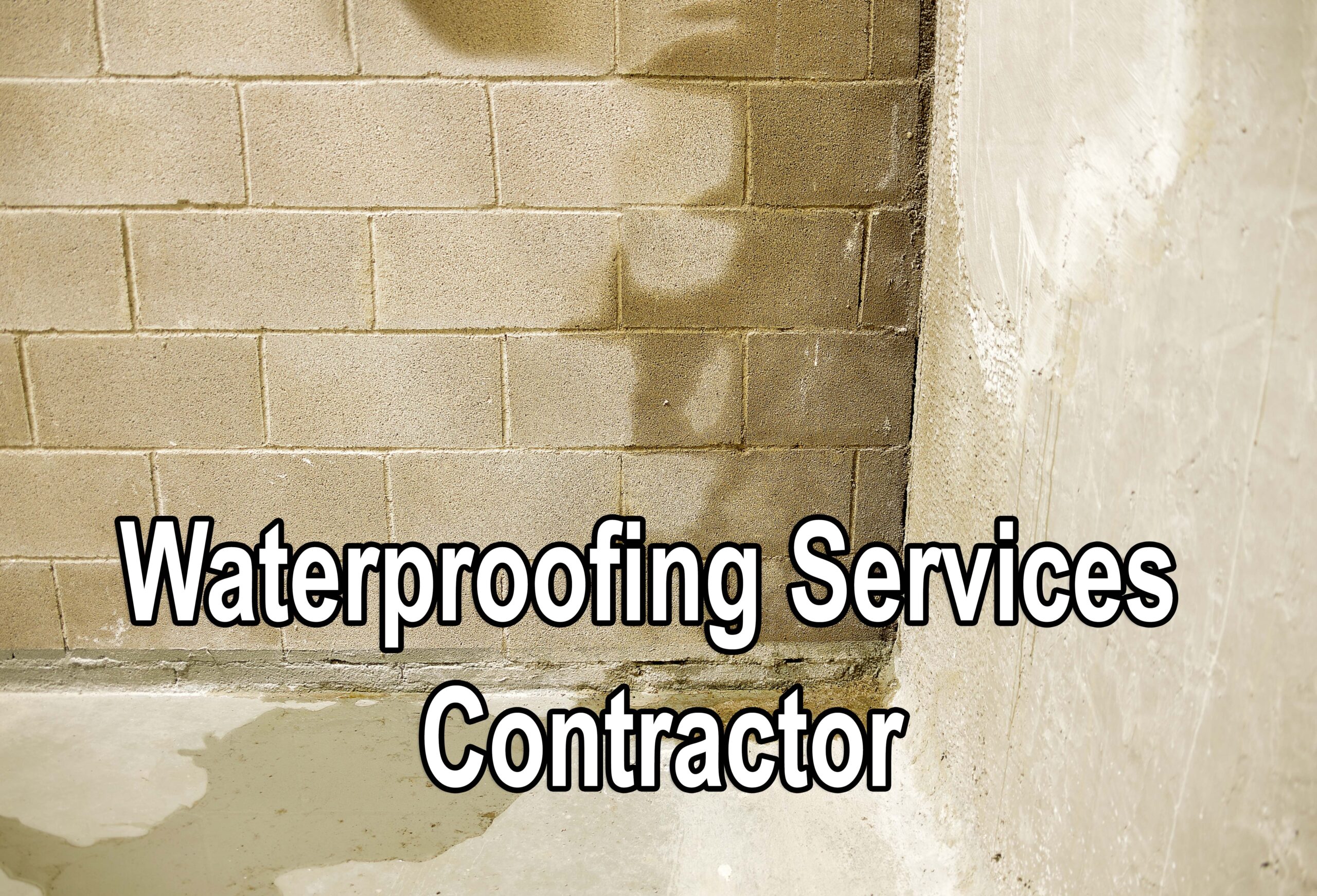
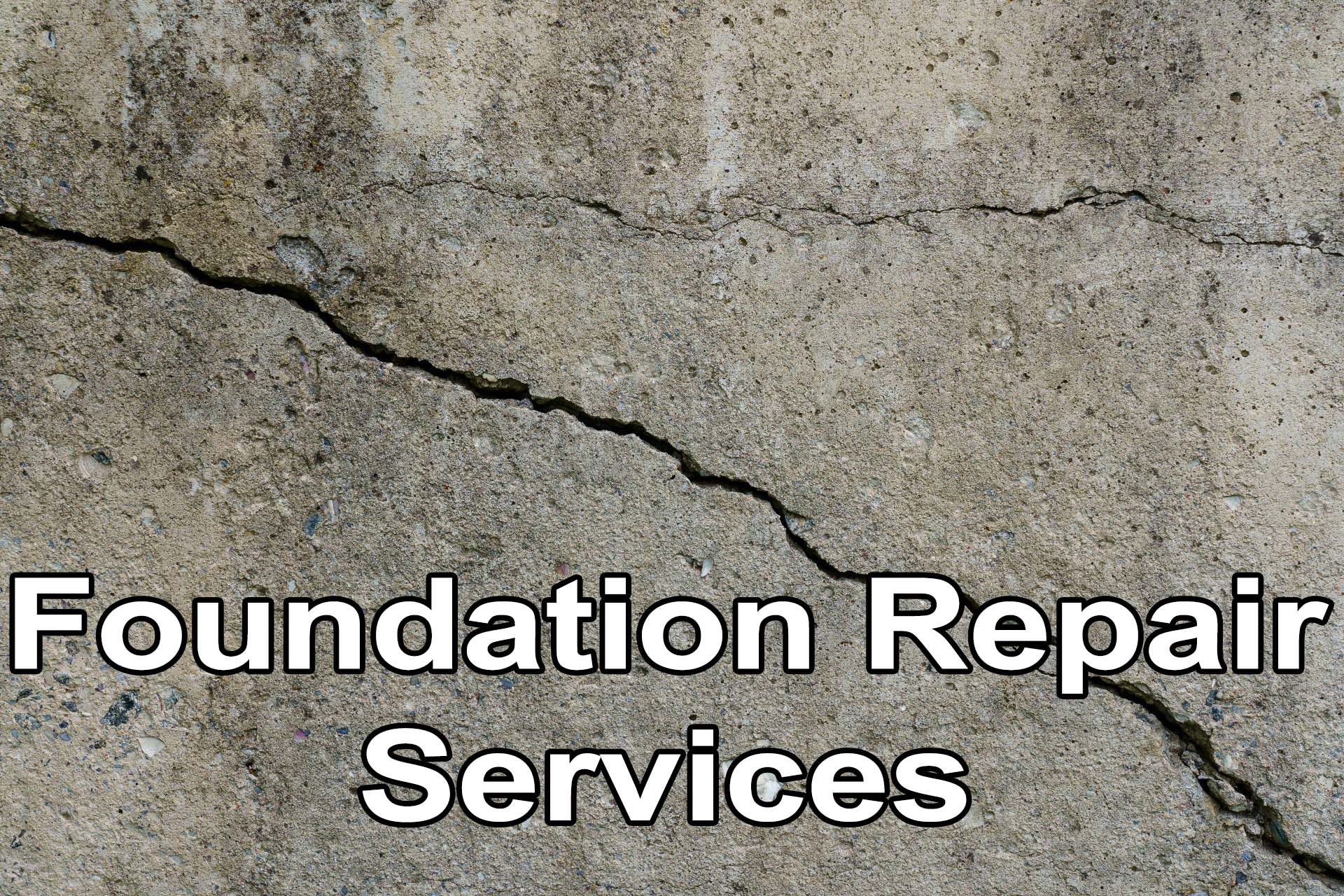
If you are dealing with water in your basement or crawl space, you have probably come across two common solutions: sump pumps and French drains. The problem is, most homeowners are not sure what each system actually does or which one they need.

Here is the truth. It is not always an either-or decision. In many cases, the best solution is using both systems together.

At Basements Love Us, we specialize in Basement and Crawl Space issues, making sure that your home is safe through Waterproofing Services, Foundation and Structural Repairs, Mold Services, Water Damage Restoration, Basement Masonry, Exterior Drainage, and Bilco Door and Egress Window Installation and Replacement.

What Is a Sump Pump and How Does It Work?

A Sump Pump Removes Water From Your Basement

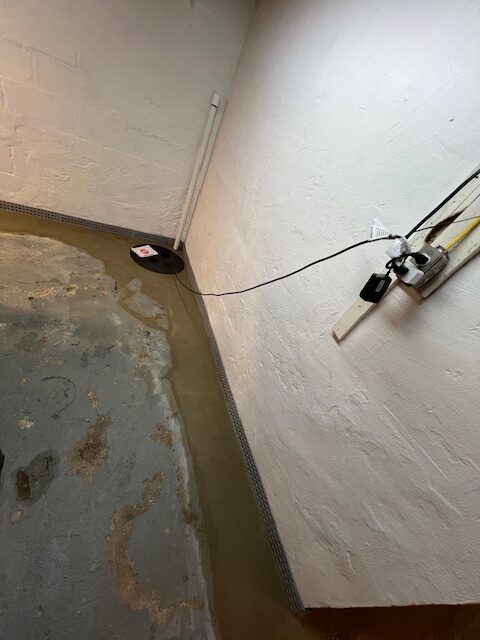
A sump pump is designed to collect and remove water that has already entered your basement.

It sits inside a sump pit, usually located at the lowest point of your basement. When water levels rise, the pump activates and pushes the water out and away from your home.


When Do You Need a Sump Pump?

A sump pump is typically recommended if:

  • You experience flooding or standing water
  • Your basement collects water during heavy rain
  • Your home is in a low-lying area
  • You already have an interior drainage system


Why a Sump Pump Alone Is Not Always Enough

A sump pump is excellent at removing water, but it does not stop water from entering your basement in the first place. That is where drainage systems come into play.

What Is a French Drain and How Does It Work?

A French Drain Redirects Water Before It Becomes a Problem

A French drain is a drainage system that collects water and redirects it away from your foundation.

It typically consists of a perforated pipe surrounded by gravel, installed either inside along the perimeter of your basement or outside around your foundation.

When Do You Need a French Drain?

A French drain is ideal if:

  • Water seeps through basement walls or floors
  • You notice dampness or moisture buildup
  • Your yard has drainage issues or pooling water
  • You want to reduce hydrostatic pressure around your foundation

Interior vs Exterior French Drains

Interior systems help manage water that enters your basement, while exterior systems prevent water from reaching your foundation in the first place.

Both can be effective depending on your situation.

Sump Pump vs. French Drain: What’s the Key Difference?

It Comes Down to Collection vs Removal

The biggest difference is how they handle water.

A French drain collects and redirects water, helping to reduce pressure and prevent intrusion.

A sump pump removes water that has already been collected, sending it safely away from your home.

Do You Need One System or Both?

When One System Might Be Enough

If your issue is minor moisture or occasional dampness, a French drain alone may solve the problem by controlling how water moves around your home.

If your basement is prone to flooding or standing water, a sump pump may be necessary to remove water quickly.

Why Many Homes Benefit From Both

In many cases, the most effective solution is combining both systems.

A French drain collects the water and directs it to a sump pit, and the sump pump removes it from your home.

This combination creates a complete waterproofing system that handles both prevention and removal.

What Happens If You Choose the Wrong Solution?

Incomplete Protection Leads to Ongoing Problems

If you only install a sump pump without addressing drainage, water will continue entering your basement.

If you only install a French drain without a sump pump, water may collect without an efficient way to exit your home.

This is why a professional assessment is so important.

How Basements Love Us Helps You Choose the Right System

Customized Solutions for Your Home

Every home is different, and there is no one-size-fits-all solution.

We evaluate your basement, crawl space, and exterior conditions to determine the best combination of systems for your needs.

Our goal is not just to fix the problem today, but to prevent it from coming back.

Why Homeowners Trust Basements Love Us

Licensed, Insured, and Backed by Warranty

We are licensed, insured, and we give a warranty on every job, giving you peace of mind that your home is protected.

With multiple offices throughout New Jersey, Eastern Pennsylvania, and Delaware, we are able to provide reliable service across the region.

Ready to Solve Your Basement Water Problem for Good?

Schedule Your Free Estimate Today

If you are unsure whether you need a sump pump, a French drain, or both, the best next step is a professional inspection.

We offer free estimates and will clearly explain what your home needs and why.

Contact Basements Love Us today to schedule your time and take the first step toward a dry, protected basement.

Why Does Your Basement Leak After Heavy Rain (and How Can You Fix It for Good)?

10th, April | Uncategorized

Why Does Your Basement Leak After Heavy Rain (and How Can You Fix It for Good)?

Do You Notice Water in Your Basement After Every Heavy Storm?

If your basement only leaks after heavy rain, it might seem like a temporary issue. But the reality is, this is one of the clearest warning signs that something is wrong with your home’s drainage or foundation system.

Water does not just randomly appear in your basement. It is being forced in by pressure, poor drainage, or structural weaknesses. The good news is that once you understand the cause, you can fix it the right way.

At Basements Love Us, we specialize in Basement and Crawl Space issues, making sure that your home is safe through Waterproofing Services, Foundation and Structural Repairs, Mold Services, Water Damage Restoration, Basement Masonry, Exterior Drainage, and Bilco Door and Egress Window Installation and Replacement.

What Causes Basement Leaks After Heavy Rain?

Hydrostatic Pressure: The Hidden Force Against Your Foundation

One of the most common causes of basement leaks is hydrostatic pressure. When the ground around your home becomes saturated with rainwater, that water builds up in the soil.

As the pressure increases, it pushes water against your foundation walls and floor. Eventually, the water finds its way inside through cracks, joints, or porous concrete.

This is why leaks often appear during or shortly after heavy rainfall.

Poor Exterior Drainage Around Your Home

If water is not being directed away from your home properly, it will collect near your foundation.

Common drainage issues include:

  • Improper grading that slopes toward the house
  • Downspouts that discharge water too close to the foundation
  • Clogged or damaged gutters
  • Low spots where water pools near the home

When water sits near your foundation, it increases pressure and raises the likelihood of leaks.

Foundation Cracks and Weak Points

Even small cracks in your foundation can become entry points for water during heavy rain.

These cracks may be caused by settling, soil movement, or pressure buildup. Once water finds these openings, it can seep into your basement and create ongoing problems.

Window Wells and Basement Openings

Basement windows and window wells can also be a source of leaks if they are not properly sealed or drained.

If water collects in a window well and has nowhere to go, it can eventually enter your basement through the window frame.

Why Basement Leaks Should Never Be Ignored

Water Damage Can Spread Quickly

Even small amounts of water can damage flooring, walls, insulation, and personal belongings. Over time, repeated exposure to moisture can weaken materials and lead to costly repairs.

Mold Growth and Air Quality Issues

Moisture creates the perfect environment for mold growth. Once mold develops, it can spread quickly and affect the air quality throughout your entire home.

Structural Damage Over Time

Continuous water intrusion can weaken your foundation and lead to more serious structural issues, including cracks, bowing walls, and shifting.

How to Fix Basement Leaks the Right Way

Interior Waterproofing Systems

Interior waterproofing solutions are designed to manage water that enters your basement and direct it away safely.

This often includes drainage systems installed along the perimeter of your basement floor, along with sump pumps to remove water efficiently.

Exterior Drainage Improvements

Fixing the outside of your home is just as important as addressing the inside.

Solutions may include:

  • Regrading the soil around your home
  • Extending downspouts away from the foundation
  • Installing exterior drainage systems
  • Repairing or replacing gutters

These improvements help reduce the amount of water reaching your foundation in the first place.

Foundation Repairs and Sealing

Sealing cracks and reinforcing weak areas in your foundation can prevent water from entering.

This may involve crack injections, masonry repairs, or more advanced structural solutions depending on the severity of the issue.

Window Well and Egress Solutions

Properly installed and drained window wells, along with updated egress windows, can prevent water from entering through basement openings.

A Complete Solution Matters

Why Quick Fixes Don’t Work

Many homeowners try temporary fixes like sealants or DIY patches. While these may slow the problem, they do not address the root cause.

A lasting solution requires a combination of waterproofing, drainage correction, and structural repair when needed.

At Basements Love Us, we take a full-system approach to ensure your basement and crawl space stay dry and protected.

Why Homeowners Trust Basements Love Us

Reliable Service Backed by Experience

We are licensed, insured, and we give a warranty on every job, so you can feel confident in the work being done.

With multiple offices throughout New Jersey, Eastern Pennsylvania, and Delaware, we are able to provide fast, dependable service across the region.

Stop Basement Leaks Before They Get Worse

Schedule Your Free Inspection Today

If your basement leaks after heavy rain, it is not something that will fix itself. The sooner you address the issue, the easier and more affordable it is to resolve.

We offer free estimates and will walk you through the cause of the problem and the best way to fix it.

Contact Basements Love Us today to schedule your time and protect your home from water damage.

Are Foundation Wall Cracks a Serious Problem or Just Cosmetic?

7th, April | Uncategorized

Are Foundation Wall Cracks a Serious Problem or Just Cosmetic?

Should You Be Worried About Cracks in Your Foundation Walls?

If you have noticed cracks in your basement walls, you are not alone. Many homeowners see cracks and immediately wonder if they are dealing with a serious structural issue or something minor.

The truth is, not all cracks are the same. Some are harmless, while others can signal major foundation problems that require immediate attention. Knowing the difference can help you protect your home and avoid costly repairs down the road.

At Basements Love Us, we specialize in Basement and Crawl Space issues, making sure that your home is safe through Waterproofing Services, Foundation and Structural Repairs, Mold Services, Water Damage Restoration, Basement Masonry, Exterior Drainage, and Bilco Door and Egress Window Installation and Replacement.

What Types of Foundation Cracks Should You Look For?

Vertical Cracks: Are They Always Safe?

Vertical cracks are one of the most common types of foundation cracks. These typically occur as a result of normal settling over time.

In many cases, vertical cracks are not immediately dangerous. However, they can still allow water to seep into your basement, leading to moisture problems and potential mold growth.

Even if they seem minor, it is important to monitor these cracks and address any signs of water intrusion early.

Horizontal Cracks: A Warning Sign You Should Not Ignore

Horizontal cracks are much more serious and often indicate pressure from the surrounding soil pushing against your foundation walls.

This pressure, known as hydrostatic pressure, can weaken your foundation and eventually cause the wall to bow or fail.

If you notice horizontal cracks, it is critical to have them inspected as soon as possible to prevent structural damage.

Stair-Step Cracks in Block Foundations

If your home has a block or brick foundation, you may see cracks that follow a stair-step pattern along the mortar joints.

These cracks can be caused by settling or movement in the soil, but they can also indicate structural stress.

Depending on their size and progression, they may require reinforcement or repair to stabilize the foundation.

What Causes Foundation Wall Cracks in the First Place?

Soil Movement and Settlement

Your home sits on soil that naturally expands and contracts with moisture changes. Over time, this movement can cause your foundation to shift, leading to cracks.

Hydrostatic Pressure from Water

When water builds up around your foundation, it creates pressure against your basement walls. This pressure can force water through small openings and even create new cracks.

Poor Drainage Around Your Home

Improper grading, clogged gutters, or short downspouts can allow water to collect near your foundation. This increases the risk of both cracks and water intrusion.

What Happens If You Ignore Foundation Cracks?

Structural Damage Can Get Worse Over Time

Small cracks can expand, allowing more water to enter and increasing pressure on your foundation.

Over time, this can lead to bowing walls, shifting floors, and even compromised structural integrity.

Water Damage and Mold Growth

Cracks provide an easy path for water to enter your basement. This can lead to water damage, mold growth, and poor air quality throughout your home.

Higher Repair Costs Later

What starts as a simple repair can turn into a major structural project if left untreated. Addressing cracks early is always the more cost-effective option.

How Are Foundation Cracks Repaired?

Crack Sealing and Waterproofing

For minor cracks, sealing combined with waterproofing solutions can prevent water from entering and stop further damage.

Wall Reinforcement Systems

For more serious issues, reinforcement systems such as wall anchors or braces can stabilize your foundation and prevent further movement.

Full Structural Repairs

In severe cases, sections of the foundation may need to be rebuilt or replaced to restore the structural integrity of your home.

At Basements Love Us, we evaluate each situation carefully and recommend the right solution based on the condition of your foundation.

How to Know When It’s Time to Call a Professional

Signs You Should Not Ignore

You should schedule an inspection if you notice:

  • Cracks that are widening over time
  • Horizontal or stair-step cracks
  • Water leaking through cracks
  • Bowing or leaning walls

These are clear indicators that your foundation needs professional attention.

Why Homeowners Choose Basements Love Us

Trusted, Licensed, and Backed by Warranty

We are licensed, insured, and we give a warranty on every job, giving you confidence that your home is protected.

With multiple offices throughout New Jersey, Eastern Pennsylvania, and Delaware, we are able to provide fast, reliable service when you need it most.

Don’t Wait Until a Small Crack Becomes a Big Problem

Schedule Your Free Foundation Inspection Today

If you are unsure whether your foundation cracks are serious, it is always better to get a professional opinion.

We offer free estimates and will clearly explain what is happening and what your options are.

Contact Basements Love Us today to schedule your time and protect your home from further damage.

Top 5 Signs Your Basement Needs Waterproofing (Before It’s Too Late)

3rd, April | Uncategorized

Top 5 Signs Your Basement Needs Waterproofing (Before It’s Too Late)

Are You Noticing These Warning Signs in Your Basement?

Your basement is one of the most important parts of your home, but it’s also one of the most overlooked until something goes wrong. The truth is, basement water problems rarely start as major flooding events. They begin with small warning signs that many homeowners ignore.

If you catch these issues early, you can avoid expensive repairs, structural damage, and health concerns. Let’s walk through the top five signs your basement needs waterproofing before it becomes a serious problem.

At Basements Love Us, we specialize in Basement and Crawl Space issues, making sure that your home is safe through Waterproofing Services, Foundation and Structural Repairs, Mold Services, Water Damage Restoration, Basement Masonry, Exterior Drainage, and Bilco Door and Egress Window Installation and Replacement.

1. Why Does Your Basement Smell Musty?

Musty Odors Are a Red Flag

If your basement smells damp or musty, that is not just a typical basement smell. That odor is usually caused by moisture and early mold growth.

Even if you do not see water, excess humidity creates the perfect environment for mold and mildew. This can impact your indoor air quality and even affect the air upstairs.

What This Means for Your Home

A musty smell often indicates hidden moisture behind walls or under flooring. Waterproofing solutions can stop the problem at the source before it spreads.

2. Are Water Stains Appearing on Walls or Floors?

Visible Signs of Past or Ongoing Water Intrusion

Water stains on basement walls or floors are one of the clearest signs that water has already entered your home.

You might notice yellow or brown discoloration, streaks running down walls, or damp spots that come and go.

Why This Should Not Be Ignored

These stains mean water is finding a way inside. Without proper waterproofing or drainage, the issue will continue and likely worsen over time.

3. Is Mold Starting to Form in Your Basement?

Mold Growth Is a Serious Health Concern

Mold thrives in damp environments, and your basement is a prime location if moisture is present.

You may see black, green, or white spots on walls or ceilings, growth around corners or pipes, or increased allergy symptoms in your home.

The Bigger Problem Behind Mold

Mold is not just a surface issue. It signals ongoing moisture problems that need professional attention. Our mold services and waterproofing solutions work together to eliminate both the symptom and the cause.

4. Are Your Basement Walls Damp or Sweating?

Moisture Without Standing Water Still Matters

Even if you do not see puddles, damp walls are a major warning sign.

You might notice walls that feel wet to the touch, condensation forming on surfaces, or peeling paint and bubbling drywall.

What Causes This?

This is often due to hydrostatic pressure pushing moisture through your foundation walls. Without proper waterproofing and exterior drainage systems, this pressure will continue to force water inside.

5. Do You See Cracks in Your Foundation?

Small Cracks Can Lead to Big Problems

Cracks in your basement walls or floor are more than cosmetic. They are entry points for water.

Common types include vertical cracks from settling, horizontal cracks from pressure buildup, and stair-step cracks in block foundations.

Why Immediate Action Matters

These cracks can expand over time and lead to structural damage. Addressing them early with professional foundation and structural repairs can save you thousands.

How Waterproofing Protects Your Home Long-Term

More Than Just Keeping Water Out

Waterproofing is not just about stopping leaks. It is about protecting your entire home.

Proper waterproofing solutions may include interior drainage systems, sump pump installation, exterior drainage corrections, and foundation sealing and reinforcement.

At Basements Love Us, we take a full-system approach to ensure your basement and crawl space stay dry and secure year-round.

Why Homeowners Trust Basements Love Us

Experience, Protection, and Peace of Mind

We are licensed, insured, and we give a warranty on every job. That means you are not just getting a quick fix, you are getting long-term protection.

With multiple offices throughout New Jersey, Eastern Pennsylvania, and Delaware, we are able to respond quickly and provide reliable service across the region.

Think You Have One of These Signs? Don’t Wait

Schedule Your Free Basement Inspection Today

If you noticed even one of these warning signs, it is worth getting a professional opinion before the issue gets worse.

We offer free estimates and will walk you through exactly what is going on and what your options are.

Contact Basements Love Us today to schedule your time and protect your home before small problems turn into major repairs.

Can Termite Damage Cause Serious Structural and Foundation Problems in My Home?

17th, February | Uncategorized

Can Termite Damage Cause Serious Structural and Foundation Problems in My Home?

Termite damage is more than a cosmetic issue. If left unaddressed, it can severely compromise the structural integrity of your home or business. Many property owners are shocked to learn how much damage termites can cause before the problem becomes visible. By the time you notice weakened wood or sagging floors, significant structural components may already be affected.

If you have recently completed termite treatment with a qualified exterminator, the next critical step is repairing the damaged wood. Eliminating termites stops further infestation, but it does not restore the strength of your structure. Failing to make necessary repairs can lead to worsening foundation and structural issues, water intrusion, mold growth, and unsafe living conditions.

Where Termite Damage Commonly Occurs

Termites target wood that supports the structural framework of your home. Some of the most vulnerable areas include sill plates, support beams, support piers, floor joists, ceiling joists, and other load bearing wood components.

Basement and Crawl Space Structural Wood

Basements and crawl spaces are especially vulnerable because they provide termites with hidden access to wooden framing. Sill plates, which connect your home’s framing to the foundation, are a common target. Once these plates are compromised, the stability of the entire structure can be affected.

Support beams and piers in crawl spaces may also suffer from hidden termite damage. Over time, this can cause uneven floors, sagging, and shifting structural elements.

First Floor and Attic Damage

Termite damage is not limited to lower levels. Floor joists on the first floor and ceiling joists in attics can also be weakened. You may notice soft spots in flooring, cracking drywall, or doors that no longer close properly. These are warning signs that structural wood may need immediate attention.

Why Repairs Must Follow Termite Treatment

Termite treatment eliminates the insects, but it does not repair the damage they leave behind. Wood that has been hollowed out or structurally weakened cannot regain its original strength without professional intervention.

Risk of Structural Failure

If damaged sill plates, beams, or joists are not repaired or replaced, your home may continue to shift and settle. Over time, this can lead to serious foundation and structural issues that become far more costly to correct.

Increased Water Intrusion and Mold Growth

Damaged wood often allows gaps and vulnerabilities that can contribute to water intrusion. Moisture entering through weakened structural areas can create conditions for mold growth. Once mold develops, it impacts indoor air quality and can create health concerns for your family.

Comprehensive Structural and Foundation Repair Solutions

At Basements Love Us, our structural and foundation experts are here to help. We specialize in Basement and Crawl Space issues, making sure that your home is safe and structurally sound after termite damage.

Foundation and Structural Repairs

Our Foundation and Structural Repairs address weakened sill plates, support beams, piers, and joists. We carefully assess the extent of the damage and develop a customized repair plan to restore stability.

Waterproofing Services and Exterior Drainage

Since termite damage and moisture problems often go hand in hand, we provide Waterproofing Services and Exterior Drainage solutions to protect your home from future water intrusion.

Mold Services and Water Damage Restoration

If termite damage has allowed moisture to enter your home, our Mold Services and Water Damage Restoration teams can remediate affected areas and restore healthy indoor conditions.

Basement Masonry and Entry Point Improvements

In addition to structural wood repairs, we offer Basement Masonry services to reinforce foundation walls. We also provide Bilco Door and Egress Window Installation and Replacement to secure vulnerable entry points and improve overall safety.

Licensed, Insured, and Backed by Warranty

Basements Love Us is fully licensed and insured. We stand behind every repair with a warranty on every job. Our experienced team has been handling structural and foundation issues for decades, providing reliable solutions that protect your property for the long term.

Serving New Jersey, Eastern Pennsylvania, and Delaware

With multiple offices throughout New Jersey, Eastern Pennsylvania, and Delaware, we are ready to respond quickly to your structural repair needs. Our regional experience allows us to understand local construction methods and environmental conditions that contribute to termite and moisture damage.

Schedule Your Free Estimate Today

Termite damage should never be ignored after treatment. Structural wood that has been compromised must be repaired to prevent further foundation issues, water intrusion, mold problems, and unsafe living conditions.

Basements Love Us offers free estimates and detailed repair plans tailored to your home. Contact us today to schedule your time and let our structural and foundation experts restore the strength and safety of your property.